 Call Us : 08045803083Call Us : 08045803083

 Send Inquiry
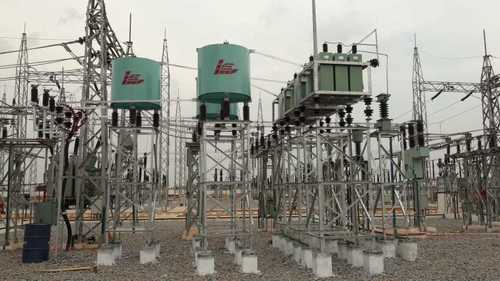
33 KV Capacitor Bank
Price 3500000 INR/ Set
MOQ : 1 Set
33 KV Capacitor Bank Specification
- Surface Finish
- Epoxy powder coated
- Mounting Type
- Floor Mounted
- Insulation Material
- Polypropylene film
- Shape
- Rectangular Cabinet
- IP Rating
- IP42
- Connector Type
- Copper lugs
- Feature
- Automatic switching, heavy duty terminals
- Power Factor
- >0.99
- Efficiency
- Greater than 98%
- Overheating Protection
- Built-in thermal protection
- Humidity %
- 0 - 95% RH
- Operating Temperature
- -15C to +50C
- Product Type
- 33 KV Capacitor Bank
- Application
- Industrial Purpose
- Protection Level
- Over-voltage, under-voltage, short-circuit
- Frequency (MHz)
- 50 - 60 Hertz (HZ)
- Rated Voltage
- 220 - 440 Volt (V)
- Energy Consumption
- Low power loss, below 0.2% per kvar
- Output Type
- Reactive Power Compensation
- Color
- Blue
- Dimension (L*W*H)
- 2100 x 900 x 2000 mm
- Weight
- Approx. 2000 kg
- Phase
- Three Phase
- Input Voltage
- 33 kV
- Size
- Standard Cabinet size
- Material
- High-grade steel, epoxy coated
- Connection Type
- Star or Delta
- No Of Poles
- 3
- Grounding
- Provision for proper grounding
- Discharge Resistor
- Included for safety
- Insulation Level
- 36 kV
- Service Life
- 10+ years under normal operating conditions
- Harmonics Tolerance
- Withstands up to 5% THD
- Rated Output
- 2400 kvar
- Cooling
- Natural Air-cooled
- Altitude Tolerance
- Up to 1000 m above sea level
- Bank Configuration
- Multiple units as per required kvar
- Standards
- IS 13585, IEC 60871
- Control Panel
- Microprocessor based relay system
- Terminal Arrangement
- Front access, shielded contacts
33 KV Capacitor Bank Trade Information
- Minimum Order Quantity
- 1 Set
- Supply Ability
- 20 Sets Per Week
- Delivery Time
- 1 Months
About 33 KV Capacitor Bank
33 KV Capacitor Bank is a collection of large number of condensers that can store potential energy and allows only predetermined amount of leakage. It is used in power transmission & distribution systems to correct power factor lag or phase shift in AC supply. This bank is also admired for reducing system losses by improving voltage level of load. 33 KV Capacitor Bank can also increase ripple current capacity in DC power supply.
Features:
- Can reduce alternators load
- Optimum dielectric strength
- Weather proof structure
Product details
| Power | 11KV,22KV,33 KV,66KV,132KV.. |
| Usage | Outdoor Type |
| Frequency | 50Hz |
| Phase | Three |
| Material | Aluminium / Copper |
Advanced Control and Safety
This capacitor bank utilizes a microprocessor-based relay system for precise and automatic switching, ensuring seamless operation and energy savings. Integrated safety features such as discharge resistors, thermal protection, and shielded terminal contacts minimize risks and promote safe maintenance. The durable cabinet is floor-mounted, epoxy-coated, and rated at IP42 for resistance against dust and accidental contact.
Superior Performance and Efficiency
Engineered for high efficiency, the unit offers greater than 98% efficiency with power losses below 0.2% per kvar. It withstands up to 5% total harmonic distortion (THD) and operates reliably in humid conditions (up to 95% RH), at altitudes of up to 1000 meters, and temperatures ranging from -15C to +50C. Its polypropylene insulation and copper lugs ensure robust electrical integrity and connection longevity.
FAQs of 33 KV Capacitor Bank:
Q: How does the 33 KV Capacitor Bank benefit industrial power systems?
A: The capacitor bank improves power factor, reduces load on transformers, and optimizes energy usage by providing reactive power compensation. It helps industrial facilities maintain electrical stability, minimize energy costs, and comply with grid standards.Q: What safety features are included in the 33 KV Capacitor Bank?
A: Safety is prioritized through discharge resistors to prevent residual charge, built-in thermal protection to avoid overheating, shielded front-access terminals, and comprehensive fault protections including over-voltage, under-voltage, and short-circuit safeguards.Q: What process is used for installation and commissioning?
A: Installation involves floor mounting the cabinet, connecting power and grounding wires using copper lugs, configuring star or delta connections, and programming the microprocessor-based relay system. The unit is then tested for correct operation and safety standards compliance.Q: When is maintenance required for the capacitor bank system?
A: Routine inspections are recommended every six months, focusing on cooling performance, terminal integrity, insulation conditions, and system protection response. Preventive maintenance helps ensure the expected service life of over 10 years.Q: Where can the 33 KV Capacitor Bank be installed?
A: It is designed for indoor industrial substations or plants, suitable for locations at altitudes up to 1000 m above sea level, in environments with humidity levels up to 95% RH, and where ambient temperatures range from -15C to +50C.Q: What are the usage guidelines for optimal performance?
A: Operate the capacitor bank within specified voltage and load limits, ensure proper grounding, maintain connection tightness, and utilize the automatic switching feature for efficient reactive power management. Monitoring harmonic distortion levels is also recommended.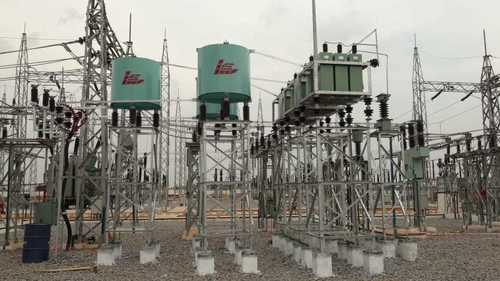
Tell us about your requirement

Price:
Quantity
Select Unit
- 50
- 100
- 200
- 250
- 500
- 1000+
Additional detail
Mobile number
Email

More Products in Current Limiting Reactor Category
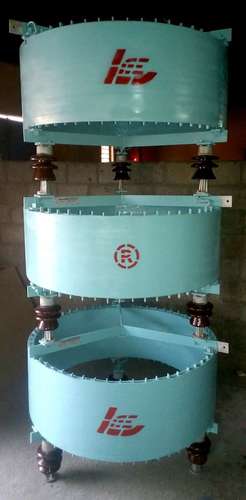
Series Reactors
Price 150000.00 INR / Piece
Minimum Order Quantity : 1 Piece
Application : Industrial Purpose
Protection Level : Other
Color : Blue
Rated Voltage : 220 440 Volt (V)
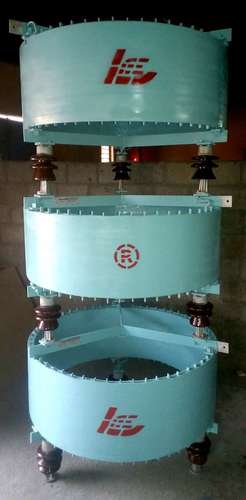
11 KV SERIES REACTORS
Price 150000.0 INR / Piece
Minimum Order Quantity : 1 Piece
Application : Industrial Purpose
Protection Level : Other
Color : Blue
Rated Voltage : 220 440 Volt (V)
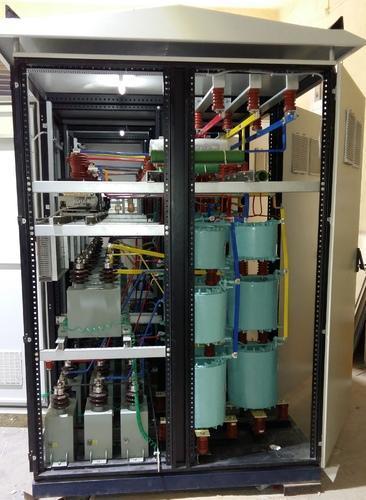
APFC Panel
Price 5000-350000 INR / Piece
Minimum Order Quantity : 1 Piece
Application : Industrial Purpose
Protection Level : Other
Color : Cream
Rated Voltage : 220 440 Volt (V)
Copper Air Core Current Limiting Reactor
Minimum Order Quantity : 1 Piece
Application : Industrial Purpose
Protection Level : Other
Color : Blue
Rated Voltage : 220 440 Volt (V)

Address
LAXMI ELECTRONICS
Sangli, Maharashtra, India
Sangli, Maharashtra, India
- L-54, M.I.D.C. Kupwad, Sangli - 416436, Maharashtra, India
- Phone :08045803083
-
 Send Inquiry
 Send Inquiry
 Send Inquiry
 Send SMS
 Call Me Free
 |
LAXMI ELECTRONICS
All Rights Reserved.(Terms of Use) Developed and Managed by Infocom Network Private Limited. |
